Seven years ago, I conceived the Liminal World project with the intention of interviewing immigrants about their lived experiences of migration. I wanted to explore the profound insights they gained about themselves, life, and others through the process of immigration, while also examining the broader themes of cultural difference and adaptation. At its core, the project sought to capture people’s experiences of living in liminal spaces, the in-between worlds, where old and new identities intersect.
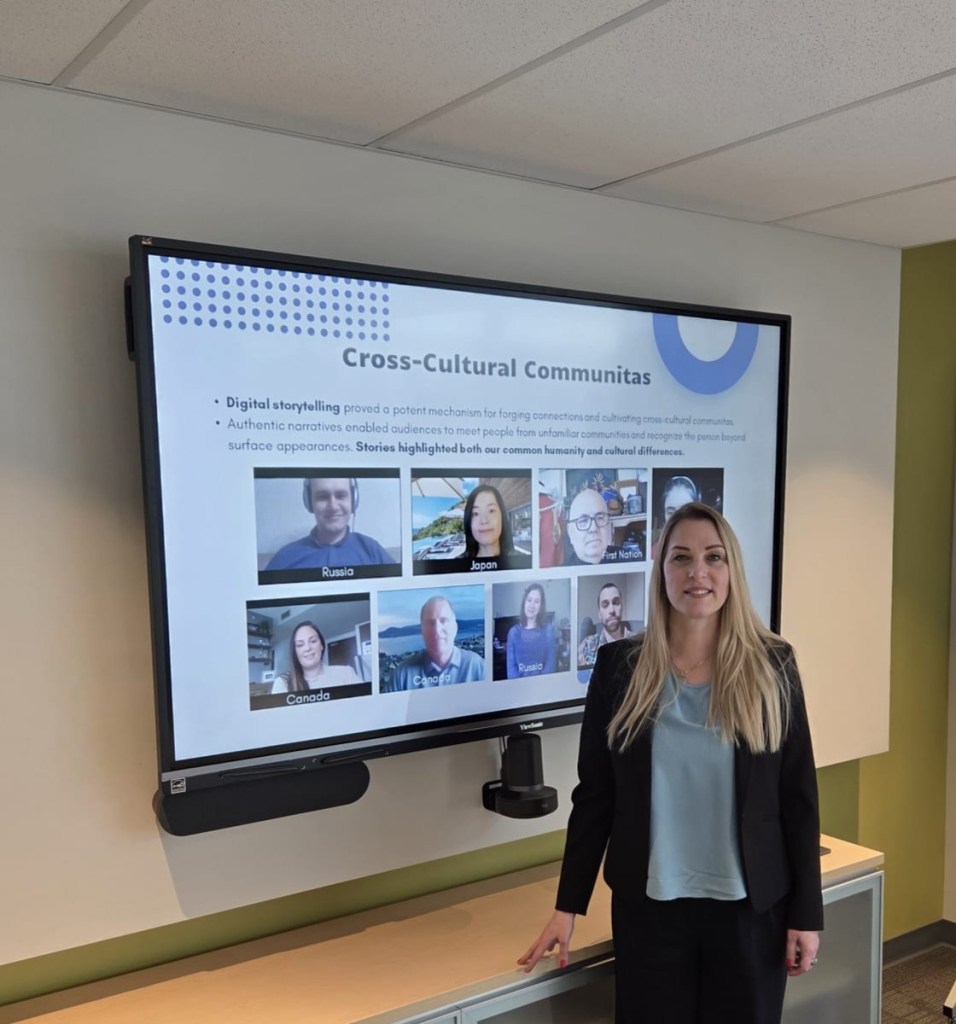
Life, however, had other plans. The sudden arrival of the COVID-19 pandemic disrupted my original vision. Recognizing that lockdown had thrust all of humanity into a shared liminal state, I quickly pivoted the project. Rather than focusing solely on immigrant experiences, I adapted Liminal World to document individual transitions as they unfolded in real time during the global crisis. I became deeply interested in how people from diverse backgrounds navigate such uncertain spaces and in documenting their struggles. Moreover, this shared experience of liminality created fertile ground for cross-cultural connections. Through the project, I had the privilege of connecting with individuals from around the world, learning about their roots, cultural identities, and everyday realities.
Working on Liminal World significantly strengthened my practical skills in planning, organizing, communicating, promoting, and executing complex initiatives. Collaborating with people of different ages, genders, professions, and ethnic backgrounds also sharpened my interpersonal abilities. I grew comfortable engaging with a wide range of personalities while co-creating meaningful outcomes that both participants and I believed would be valuable to others.
Beyond skill development, this intensive process ignited several new intellectual interests. Just one month after completing my final interview in December 2022, I decided to enrol in the Intercultural Studies and Practices program at the University of Victoria. The program aligned perfectly with my aspirations, offering applicable knowledge for work in both multicultural communities and professional environments. It challenged me to engage with diverse perspectives on intercultural relations through courses across multiple disciplines, including linguistics, sociology, history, gender studies, intercultural studies, and Slavic studies. Each course required me to transform theoretical learning into tangible outputs. I pushed myself beyond my perceived limits by producing a variety of deliverables: accessible factsheets, reading recommendations, community project proposals, creative personal projects, workshops, and educational videos exploring cultural misunderstandings.
The culmination of my studies, however, was an extensive research project that bridged my Liminal World interviews with relevant academic literature. Guided by core research question — How do individuals from diverse backgrounds navigate liminal spaces in the negotiation of their identities and how can storytelling serve as a tool to illuminate experiences during crises related to equity, diversity, and inclusion (EDI) within these transitional contexts? — I conducted a systematic analysis of the interview data. I integrated several interrelated theoretical frameworks. Prior to the project, I was familiar only with Arnold van Gennep’s foundational concept of liminality from his work on Rites of Passage. To my surprise, I discovered that for more than two decades, scholars in organizational studies had been using liminality as a powerful analytical lens to understand identity work in transient organizational settings. This body of literature proved invaluable, helping me clarify key concepts and significantly deepen my understanding of liminality. I also uncovered meaningful connections between liminality and psychological processes, as well as between liminality and cultural change.
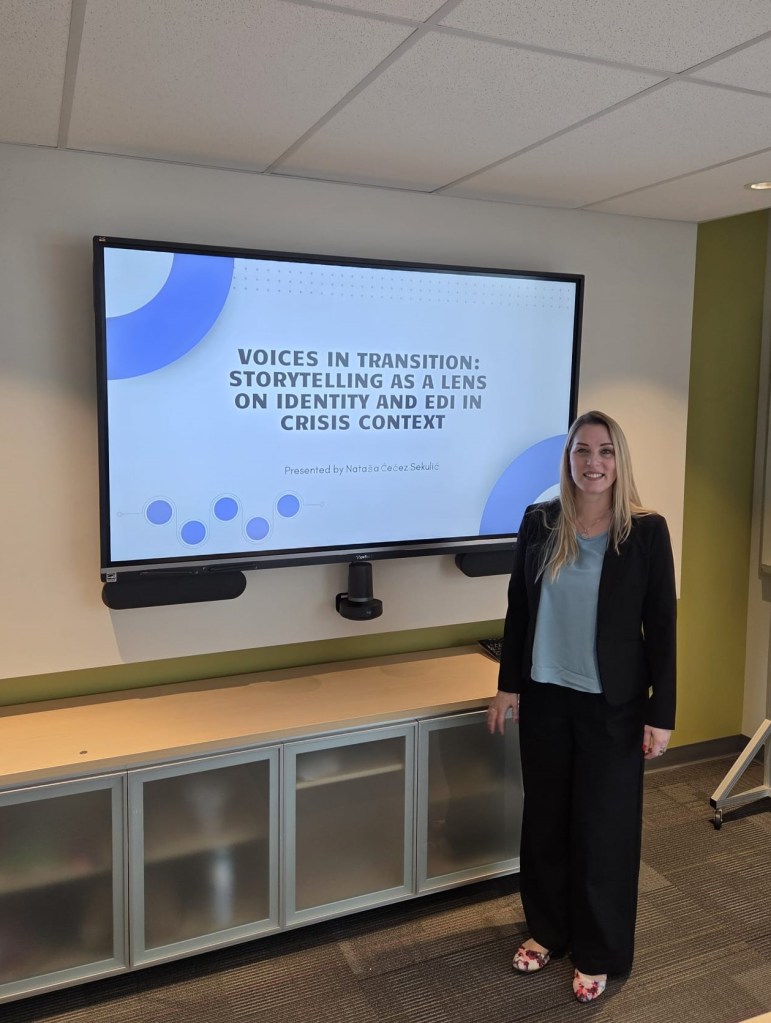
On Monday, April 13, 2026, I completed my degree by presenting my research findings. In my presentation, I framed the 2020 global transition as a collective rite of passage — one that brought both destruction and renewal to societal structures and individual lives. I offered empirical insights into how crises shape individuals, demonstrating how challenges can catalyze proactive action and personal growth. Furthermore, I showed that sharing personal accounts of in-between spaces enables people to express their unique cultural identities and lived experiences. These narratives foster greater compassion, intercultural awareness, and even intercultural competence. Ultimately, the stories invited the audience to participate in reimagining a more equitable and connected post-liminal world.
As I reflect today on this significant milestone achieved just a few days ago, part of me already wonders what the next chapter will hold in this ongoing, never-ending story of personal transformation.